RSS

Homes for Sale in Downtown Toronto: The Pros and Cons of Living in the Core

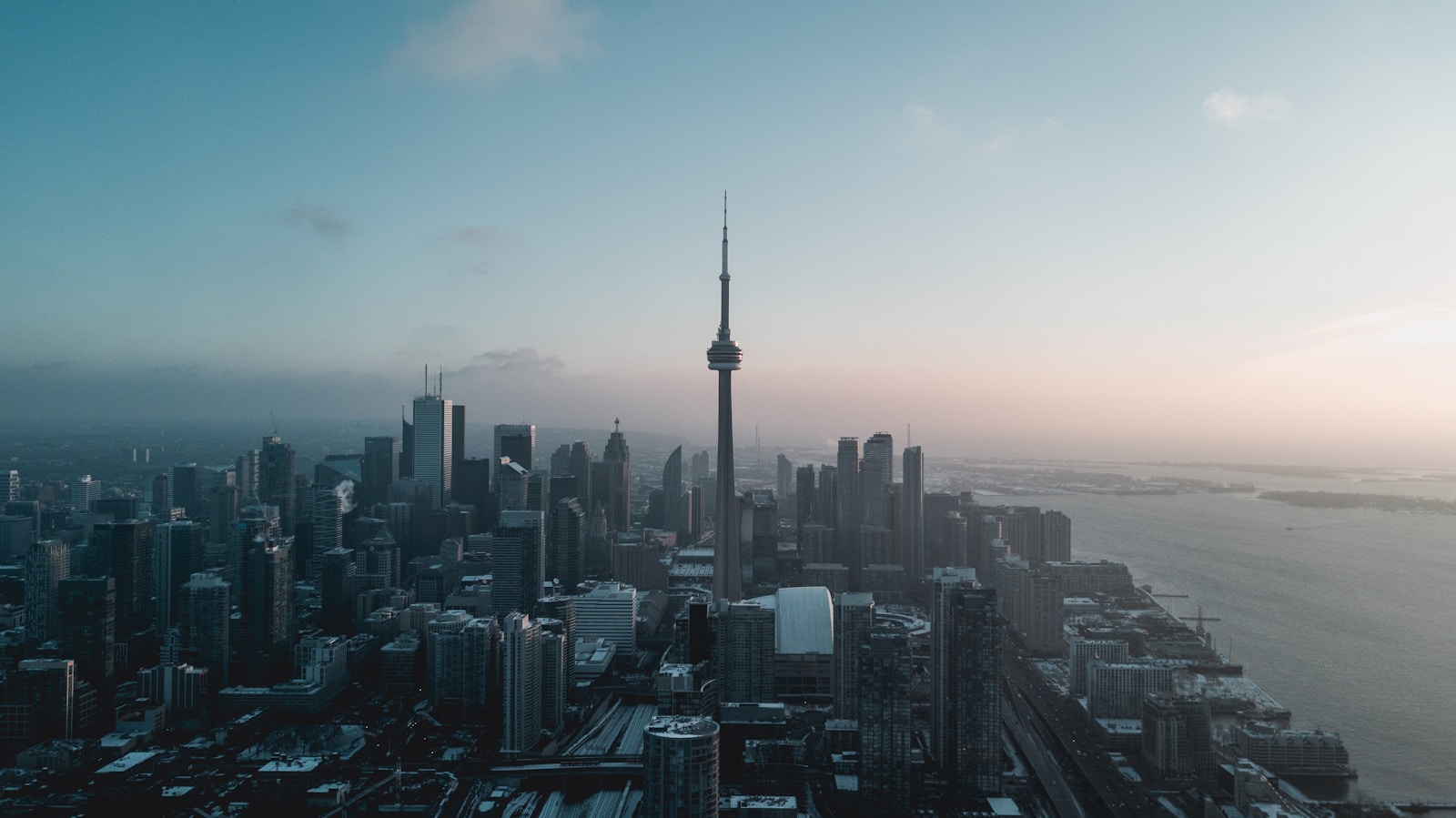
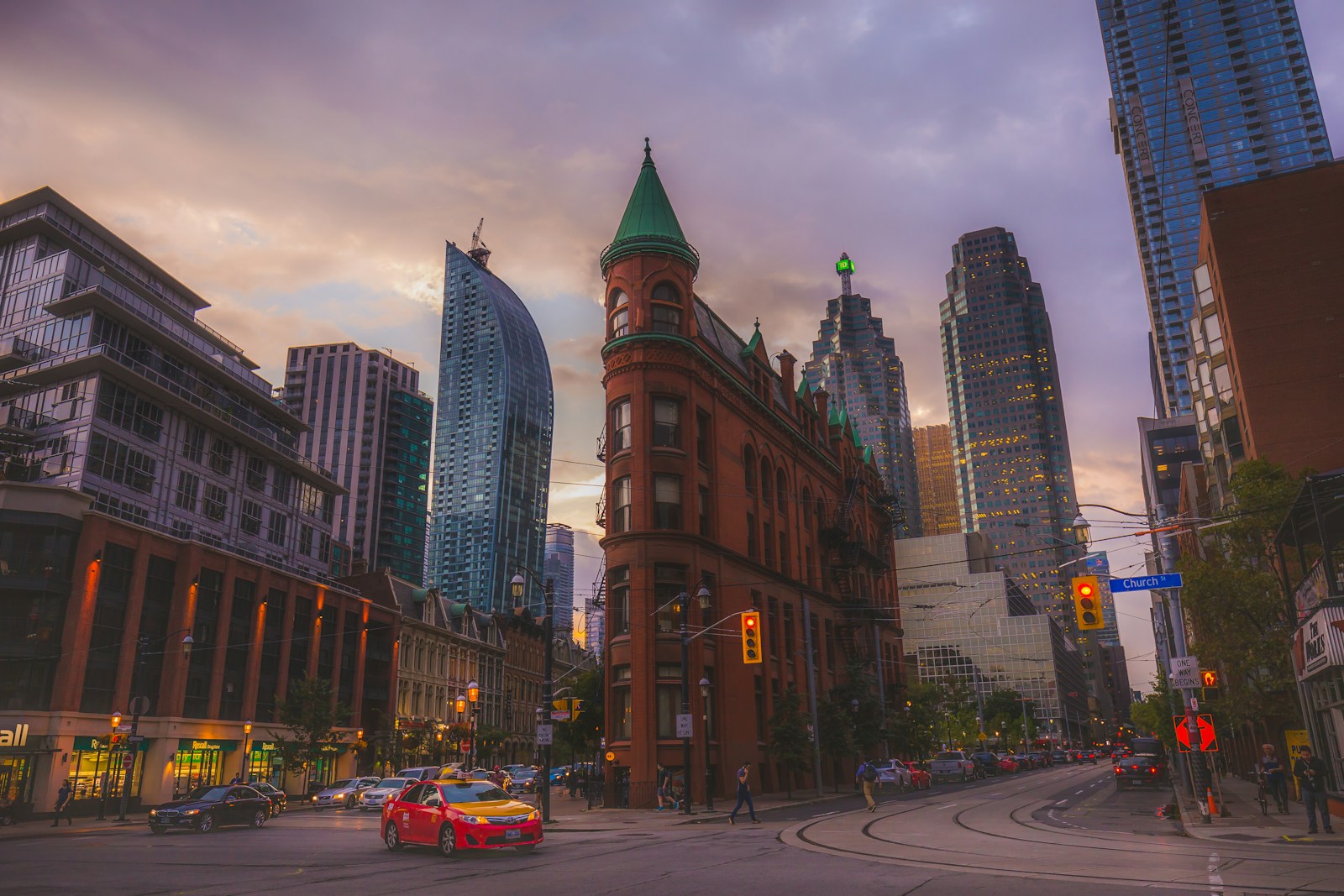
If you’re considering purchasing among the homes for sale in downtown Toronto, it’s essential to understand what life in the city core is really like. Living downtown offers unmatched convenience, vibrant urban lifestyle, and premium access to amenities — but it also comes with trade-offs such as cost, space, and noise. This guide will walk you through the key pros and cons so you can decide whether downtown Toronto living suits your goals.


1. What “Downtown Toronto” Means for Buyers

When we say “downtown Toronto”, we’re referring to the central core where many of the city’s tallest condos, major employment hubs and transit connections sit. If you’re browsing listings of homes for sale in downtown Toronto, you’ll find a broad range — from luxury high-rise suites to boutique condo assignments. Often our team at RE/MAX Plus City aligns with clients looking for “Toronto condo assignment for sale” opportunities in this zone.


2. Pros of Living in Downtown Toronto

Here are some of the biggest benefits of choosing a downtown Toronto home:

• Ultimate Walkability & Transit Access

Downtown residents benefit from extremely short commutes, easy access to transit such as the Toronto Transit Commission (TTC), and the ability to leave the car behind. As one commentary puts it: “You can live someplace and manage even without a vehicle” when you’re downtown.

• Proximity to Jobs, Culture & Amenities

Living in the core means you’re near major employment hubs, restaurants, theatres, galleries and nightlife. As noted: downtown Toronto offers “much better access” to job opportunities and urban lifestyle amenities.

• Strong Investment Potential

For those buying one of the homes for sale in downtown Toronto as an investment or long-term hold, urban-core properties tend to maintain strong demand. The location advantage plays into resale potential.

• Vibrant Neighbourhoods & Diversity

Downtown Toronto offers a culturally rich environment: from food and entertainment to diverse communities. One summary of living in Toronto notes the “foodie” scene and cultural diversity as big pluses.


3. Cons of Living in Downtown Toronto

As with any lifestyle choice, there are trade-offs. Here are key drawbacks:

• Higher Cost of Living & Real Estate

The central location comes with a premium. Housing prices, condo fees, taxes and everyday costs tend to be higher. One source states: “The cost of living in Toronto can be quite high… You’ll need about CAD 3,000 every month for home, utilities, food and other basic expenses.”

• Space Limitations & Smaller Units

Homes in the downtown core (especially condos) often mean less square footage, fewer private outdoor spaces, and sometimes higher density. This may matter if you're upgrading or need more room. Reddit users point to “Unless you have a ton of money … you are going to be stuck in a small space with little to no backyard of your own.”

• Noise, Traffic & Construction

Urban life also means more hustle and bustle: traffic, street noise, ongoing construction, and crowded public spaces. One contributor noted: “Afternoon commute … war zone that is Toronto sidewalks.”

• Parking, Car Ownership & Vehicle Costs

If you own a car, downtown living can mean scarce parking and higher costs. One drawback listed: “Parking in downtown Toronto is scarce and costly.”

• Potential for Lifestyle Mismatch

If you expect suburban-style calm or large yards, downtown may feel different. As one rubric said: “You may get disappointed as the real-life will not match your vision.”


4. Is It Right for You? Key Questions to Ask

Before you commit to one of the homes for sale in downtown Toronto, ask yourself:

  • How much do I value walkability, transit and being near amenities versus space, privacy and quieter surroundings?

  • What is my budget and are I comfortable with higher cost of living and possibly higher condo fees/taxes?

  • Will I require parking or a vehicle, or can I realistically live car-free or car-light?

  • Is this a long-term home or a stepping stone? If you plan to raise a family, will the unit and neighbourhood meet future needs?

  • What neighbourhood within downtown do I prefer (e.g., near waterfront, near entertainment district, near business core)? Each sub-area will have its own vibe and cost.


5. How We at RE/MAX Plus City Can Help

If you are actively looking at homes for sale in downtown Toronto, our team brings you:

  • Up-to-date listings including condo assignments and resale units in the core

  • Neighbourhood guidance: which parts of downtown fit your lifestyle (link to our neighbourhood pages)

  • Budgeting for total cost: not just price of purchase, but condo fees, taxes, maintenance, etc.

  • Offer strategy and negotiation expertise in downtown Toronto’s competitive market

For example: you may want to start at our “Toronto condo assignment for sale” page, then move to our “buying” guide which outlines the process for downtown purchasers, and finally contact us via our Contact page to set your requirements.


Conclusion

Choosing to live in the heart of the city among homes for sale in downtown Toronto is a lifestyle choice as much as a purchase. You’ll gain phenomenal convenience, vibrant surroundings and strong location benefits — but you should also be fully aware of the trade-offs: cost, space, noise and car-ownership challenges. By evaluating your personal priorities, budget and future plans — and partnering with an experienced downtown agent — you’ll be better equipped to make the right decision.


FAQs

1. What types of homes for sale exist in downtown Toronto?
You’ll find high-rise condos, boutique low-rise buildings, condo assignments (pre-construction transfer) and occasionally townhouses or lofts in downtown neighbourhoods.

2. Are condo fees higher in downtown Toronto?
Generally yes: condo buildings in the core often include extra amenities (gym, concierge, party room) plus higher maintenance costs owing to building age/amenities/density. Be sure to review the monthly fees when comparing.

3. How does parking factor into downtown Toronto homes?
Many downtown homes either do not include a dedicated parking spot, or parking comes at a premium. If you own a car or plan to buy one, check the parking situation and budget accordingly.

4. Is downtown Toronto a good investment?
Many buyers consider downtown core properties for investment because of location strength, demand and potential resale value. However, always assess individual building health, condo fees, maintenance history, and neighbourhood trends.

5. What budgets should I expect for living downtown?
While purchase price is one component, living downtown means budgeting for higher condo/maintenance fees, taxes, utilities, and possibly parking. Make sure your budget aligns with all costs, not just the sticker price.

Read

Cost of Buying a Home in Toronto: What You Really Need to Know

Buying a home in Toronto is a major financial commitment—and the costs go far beyond just the purchase price. Whether you’re a first‐time buyer or upgrading, it pays to understand the full scope: purchase price, down payment, closing costs, ongoing taxes and maintenance, and the local market dynamics. In this article you’ll get a clear breakdown of what to expect when buying in Toronto in 2025, plus practical steps to budget smartly.


1. Current Market Snapshot: How Much Are Homes in Toronto?

  • The average selling price of a home across Toronto (and the Greater Toronto Area) was about C$960,300 in September 2025, down about 5.5 % compared with one year earlier.

  • For a single-family detached home in Toronto in September 2025, the average was approximately C$1,172,300.

  • The average-price for a condo in Toronto in September 2025 was around C$563,100, reflecting a year-on-year drop of 8.1 %.

  • To afford an “average” Toronto home (with a 20% down payment), estimates say you may need a household income of over C$215,000.

What this tells us: The purchase price alone is high, and affordability remains a critical barrier.


2. Up-Front Costs You Must Budget For

When buying a home, in addition to the purchase price, you’ll face:

  • Down payment: For most buyers in Canada, minimums vary (e.g., 5% for the first C$500,000 of purchase if no insurance, etc.). The larger the down payment, the lower your mortgage and insurance burden.

  • Land transfer taxes: In Ontario and specifically the City of Toronto, there is a provincial land transfer tax and a municipal tax component.

  • Legal / closing costs: Lawyer/notary fees, title insurance, possible adjustment costs (utilities etc)

  • Home inspection / appraisal costs: Often overlooked but wise.

  • Mortgage insurance or CMHC fees: If your down payment is under 20% you may incur this.


3. Ongoing Costs After Purchase

Once you own the home, monthly/annual costs apply:

  • Property tax: In Toronto, estimates suggest a tax rate of about 0.70% of home value. On an $800,000 home that would be ~$5,600 annually.

  • Maintenance / repairs: Homes age, and you’ll need to budget for ongoing upkeep (roof, furnace, windows, etc).

  • Condo fees: If buying a condo, monthly maintenance/condo fees must be factored.

  • Mortgage interest: With current interest rate levels, the interest portion can be substantial.

  • Insurance: Home insurance (structure + contents) is more expensive than renter’s insurance.

  • Utilities / other services: Some may have been included in rent when you were a tenant; as owner you pay all.


4. How to Estimate Your Total Cost: A Simple Example

Let’s assume you’re buying a townhouse in Toronto for C$900,000. Here’s a rough estimate:

  • Purchase price: C$900,000

  • Down payment (20%): C$180,000

  • Mortgage amount: C$720,000

  • Estimated property tax (0.70%): ~C$6,300/year

  • Maintenance/condo fee (if condo) or annual upkeep (if townhouse): variable, say C$4,000/year

  • Insurance: assume ~C$1,500/year

  • Mortgage payment: depends on term & rate (for sake of example, if 5-year fixed at 5% amortized 25 years → monthly ~C$4,200) [This is only illustrative]

Summary: Your monthly cost might easily exceed C$4,500–5,000 (mortgage + tax + insurance + upkeep) in this scenario. That reinforces why income thresholds matter.


5. Factors That Drive the Cost Up or Down

Several variables will change your total cost:

  • Property type: Detached homes cost significantly more than condos.

  • Location/neighbourhood: More desirable neighbourhoods = higher prices + taxes + maintenance.

  • Interest rates: If rates rise, mortgage payments go up.

  • Market timing: As data shows, prices in Toronto have dipped year-on-year (~5.5 %) but remain high and still a barrier.

  • Supply / demand: Inventory levels (for example, Sales-to-New-Listings Ratio) influence bargaining power for buyers.

  • First-time buyer rebates / incentives: Could reduce some costs (e.g., land transfer tax rebate for first-time buyers in Toronto) – check eligibility.


6. Tips to Make Buying More Affordable

  • Consider a condo or townhouse rather than detached to reduce purchase price.

  • Save more than the minimum down payment (aiming >20% avoids mortgage insurance).

  • Shop around for mortgage rates and choose a term you’re comfortable with.

  • Don’t forget to budget for all the ongoing costs (tax, maintenance, insurance) not just the mortgage.

  • Work with a local real-estate agent who understands Toronto’s market and can help you negotiate.

  • Keep your debt-to-income ratio healthy so you can qualify for the mortgage and withstand higher payments if rates rise.

  • Consider timing: if market conditions soften (more listings, price dips) you may have more negotiating power.


7. Why This Matters for Your Buying Decision

Understanding the full cost tells you whether you’re financially ready and helps you avoid over-stretching. If you buy only considering the sticker price without factoring ongoing costs and market risk, you may face stress down the road. With Toronto’s high price levels and affordability challenges, being realistic is key. For example, needing a household income of over C$215,000 to afford the average home in Toronto shows the scale of the commitment.


Conclusion

Buying a home in Toronto is a significant investment—one that goes well beyond just the purchase price. By understanding the current market pricing (average ~$960K to over $1.1 M depending on type), the up-front costs, the ongoing costs, and how to budget wisely, you’ll be in a stronger position to make a smart decision. If you’re working with an agent (such as for listings on Toronto condo assignment for sale), make sure they walk you through all costs and help you match your purchase to your real budget.


FAQs: Cost of Buying a Home in Toronto

  1. How much down payment do I need to buy a home in Toronto?
    For homes under C$500,000, the minimum down payment in Canada is 5% of the first C$500K. For portions above C$500K, 10% is required on the portion up to C$1 M, and 20% above that. Many Toronto homes far exceed those thresholds, so often buyers aim for 20% to avoid mortgage insurance.

  2. What are typical closing and upfront costs besides the purchase price?
    Closing costs may include land transfer taxes (provincial + municipal in Toronto), legal fees, title insurance, home inspection/appraisal, home insurance, and adjustments (utilities, property taxes). These may add up to 1.5-3% of purchase price.

  3. What ongoing annual costs should I plan for as a homeowner in Toronto?
    Key ongoing costs include property tax (about 0.7% of home value in Toronto as a benchmark), insurance, utilities, maintenance/repairs, condo or homeowners association fees (if applicable), and of course mortgage payments. Failing to budget these can cause financial stress.

  4. Are home prices going up or down in Toronto right now?
    As of late 2025, home prices in Toronto are trending slightly downward year‐over‐year: for example, aggregate average ~$960,300 (down ~5.5%) in September 2025. Some forecasts however suggest moderate price increases ahead depending on interest rates and supply.

  5. What household income do I need to buy a home in Toronto?
    Estimates say you may need a household income of around C$215,000 or more to afford an average home in Toronto (with 20% down payment). Your personal affordability will also depend on interest rate, other debts, and ongoing living expenses.

Read

How to Find Affordable Homes in a Competitive Market

Scoring an affordable home in today’s heated real estate market may feel like a moonshot—but it's absolutely within reach. With rising prices and tight competition, finding value requires strategy, insight, and a willingness to explore less obvious opportunities. Here’s your friendly, step-by-step guide to beating the odds—and owning a home that won’t break your bank.

1. Look Beyond the Usual Neighbourhoods

  • Surprisingly, some areas of Toronto that sound upscale on paper—like Rockcliffe-Smythe and Eglinton West—actually offer much greater affordability compared to the city average. Detached homes there are over $600K below typical prices.

  • Other budget-friendly zones include Rexdale, Kipling, Malvern, Rouge, and Dorset Park—worth exploring if you want value without sacrificing access.

2. Tap into Condo Affordability

  • If single-family homes feel out of reach, consider condos in eastern neighbourhoods like West Hill, Centennial Scarborough, Malvern, and Rouge—where average prices can start around $253K to $365K.

3. Go Beyond Toronto: Ontario Offers Value Elsewhere

  • Some of the most affordable cities to buy in Ontario include Windsor, London, Barrie, Kanata, and Guelph. Their home-to-income ratios make ownership much more attainable.

  • For even deeper affordability, towns like Sarnia, Thunder Bay, and Deep River offer a fantastic blend of low housing costs and high livability.

4. Know How Affordability Is Defined (Ownership-Wise)

  • In Ontario, for housing to be considered affordable, it must meet one of two criteria:

    1. Total housing costs stay below 30% of the household's gross income.

    2. Purchase price is at least 10% below the regional resale average.

  • This definition aligns with both financial prudence and real-world access—making it easier to identify genuine value.

Final Summary

In a competitive market, affordable homes still exist—but they're often off the beaten path, in under-appreciated neighbourhoods or outside the GTA. Think east-end Toronto condos, balanced suburbs, or affordable small towns. By combining smart location hunting with a clear understanding of affordability metrics, you can find a home that fits both your lifestyle and your budget.

Frequently Asked Questions

What is the most affordable place to live in Toronto?
Rockcliffe-Smythe, Rexdale/Kipling/Clairville, and Malvern/Rouge stand out for offering detached homes well below the city’s average price—making them top choices for affordability.

What is considered affordable housing in Toronto?
Affordable housing must either keep total shelter costs under 30% of gross household income, or be priced at least 10% below the regional resale average.

Where is the most affordable place to buy a house in Ontario?
Windsor, London, Barrie, Kanata, and Guelph are among the most affordable cities for homebuyers based on home-to-income ratios. For smaller towns, Sarnia, Thunder Bay, and Deep River top the charts.

What is the affordability income for a house in Toronto?
As of mid-2025, a household likely needs between C$199K and C$214K annually to qualify for an average home in Toronto—far above the city's median income (~C$98K–129K).

Where is the lowest cost of living in Ontario?
Many smaller towns outside the GTA—like Deep River, Rainy River, and Englehart—offer the lowest cost of living in the province, with housing prices often under C$250K.


Read

The Pros and Cons of Living in Downtown Toronto

If you’re browsing homes for sale in downtown Toronto, you’re likely drawn to the energy, convenience, and lifestyle of the city core. But before you buy, it’s worth understanding both the advantages and the trade-offs of urban living.


Pros of Living in the Core

1. Convenience and Walkability

Living downtown means you’re steps away from work, shops, restaurants, and entertainment.
You can walk or take the TTC almost anywhere — no car required. That can save hundreds each month on gas, parking, and insurance.

2. Lifestyle and Entertainment

Downtown Toronto offers unmatched cultural experiences — top restaurants, concerts, festivals, and nightlife.
Neighbourhoods like King West, the Financial District, and the Waterfront give you constant access to city life and lakefront views.

3. Investment Potential

Downtown Toronto homes for sale often hold their value well due to consistent demand.
Condos in the core typically attract professionals, students, and investors, offering both rental and resale potential.

4. Employment Access

Most major employers and hospitals are within the downtown core.
Short commutes mean less stress and more time for yourself.


Cons of Living in the Core

1. High Housing Costs

Downtown homes come at a premium.
Expect higher prices per square foot, monthly condo fees, and parking costs.
Compare listings with nearby neighbourhoods on your Toronto condo buying guide.

2. Smaller Spaces

Many downtown Toronto condos offer limited square footage and minimal outdoor areas.
If you value large living spaces or private yards, check surrounding communities before buying.

3. Traffic, Noise, and Construction

Downtown traffic and TTC congestion can be frustrating.
Ongoing construction adds noise and delays — a common reality in city-core living.

4. Limited Parking

Owning a car downtown is costly.
Monthly parking rates can exceed $200, and availability is limited in many buildings.


🎯 What to Consider When Buying Downtown

When viewing homes for sale in downtown Toronto, evaluate:

  • Building reputation and management quality

  • Condo fees and amenities

  • Transit access (TTC, Union Station, PATH)

  • Proximity to parks, schools, and grocery stores

  • Noise levels and future development nearby

For a free property value estimate, visit our Toronto home evaluation page.

🏡 Ready to Find Your Home in Downtown Toronto?

Explore available listings and exclusive assignments through RE/MAX Plus City Team — your trusted Toronto Downtown Realtor.
Visit remaxpluscity.com to view new Toronto condo assignments, pre-construction opportunities, and current homes for sale in downtown Toronto.


Frequently Asked Questions – Downtown Toronto Real Estate

1. What is the average price for condos in downtown Toronto in 2025?
Average resale condos range between $950,000 and $1.2M depending on location and size. New builds along the waterfront can exceed $1.4M.

2. What are typical condo fees in downtown Toronto?
Monthly fees average $0.75–$1.10 per sq. ft. and include maintenance, concierge, and amenities.

3. Are downtown Toronto homes a good investment?
Yes. The downtown core continues to attract professionals and investors, supporting steady long-term demand and rental yields.

4. Which neighbourhoods are best for first-time buyers downtown?
Look into Fort York, CityPlace, Canary District, and Riverside Square for a balance of affordability and accessibility.

5. How do I get pre-construction access to new downtown Toronto condos?
Register with RE/MAX Plus City Team to access early VIP pricing and exclusive Toronto condo assignments.

Read

What Buyers Should Expect in the Next 12 Months

With the Toronto real estate market shifting subtly, staying ahead matters more than ever. Whether you're a first-time buyer or thinking of upgrading, knowing what to expect in the coming year can help you navigate smartly—avoid surprises, seize opportunities, and move forward with confidence.

1. Prices & Sales Are Easing… But Signs of Stabilization Are Emerging

  • As of August 2025, home sales in the GTA dipped 1.8% month-over-month, and the benchmark price edged slightly lower to around C$978,100—continuing a trend of flat or declining prices since late 2024. Annual decline sits at about 5.2%.

  • Current market conditions lean toward buyers, driven by elevated inventory and modest affordability improvements.

2. Condos Continue to See Deeper Corrections

  • The Toronto condo market is undergoing a reset: TD Economics forecasts total price drops of 15–20% from the late 2023 highs, with further declines anticipated into late 2025.

  • July 2025 data shows average condo prices in the GTA falling 9.3% year-over-year, reaching a four-year low around C$651,000.

3. Buyers Getting Encouraged—But Recovery Is Moderate

  • While the market isn’t roaring back yet, RBC projects a 7.9% rebound in home resales for 2026—though activity levels will still lag pre-pandemic averages.

  • Economic headwinds—like affordability and tight labour markets—are expected to limit rapid shifts.

4. Government Planning for Long-Term Supply Gaps

  • Canada needs around 3.5 million additional homes by 2030 to return to affordability, translating to about 430,000–480,000 units per year—double the current pace.

  • Meanwhile, the overall Canadian residential real estate market—driven by rising demand, especially in rentals—remains on a growth trajectory, projected to expand at a ~5% compound annual growth rate through 2030.

Final Summary

Over the next 12 months, expect:

  • Continued modest corrections in GTA home prices—with further stability ahead.

  • A deeper downturn in condos, but signs of leveling out by 2026.

  • A moderate recovery in resale activity, hampered by ongoing affordability challenges.

  • Long-term supply initiatives aimed at closing the affordability gap—though results will take time.

If you're entering the market soon, your strategy should be measured, local-data-informed, and ready for gradual change—not a sprint.

Frequently Asked Questions

Are condo prices dropping in Toronto?
Yes—recent data shows average condo prices have dropped approximately 9% year-over-year, with expert forecasts projecting total declines of 15–20% from 2023 highs.

What is the housing market forecast for GTA in 2025?
The market is seeing slight price declines of ~5% and sluggish sales activity. Analysts expect home resale to rebound modestly in 2026, but at levels still below pre-pandemic norms.

Is it a good time to buy a house in Toronto?
Affordability is improving slightly—thanks to price softening and inventory growth—but challenges remain. It’s a cautious “maybe”—especially for buyers with strong financing and flexibility.

Will the Toronto condo market recover in 2026?
Experts expect improvement starting in 2026 after continuing declines through 2025, particularly as the investor market resets and affordability stabilizes.

What is the housing market prediction for Canada in 2030?
The Canadian residential real estate market is projected to grow at a ~5% annual rate, driven by demand for rental properties and population growth—though affordability remains under pressure.


Read

Toronto Real Estate Market Report - September 2025

Market Momentum Builds as GTA Home Sales Rise & Buyers Regain Confidence

More homebuyers are seeking to take advantage of more affordable monthly mortgage payments and have responded to the substantial choice in the marketplace by negotiating average selling prices downward. The anticipated interest rate cut was welcome news for homebuyers, who are now more confident that another rate cut will come by year-end. With lower borrowing costs

“more households can afford monthly mortgage payments on homes that meet their needs.”

While home sales have improved compared to last year, they still remain below typical levels relative to the number of GTA households. Sales are trending to end the year approximately 11% lower than 2025. Given ongoing employment challenges and household uncertainty, it is highly likely that another rate cut will be needed — one that could spur confidence and encourage buyers currently on the sidelines to enter the market.

A further 25-basis-point cut by the Bank of Canada this year could further stimulate home sales and related economic activity. It has been widely reported that each real estate transaction injects more than $80,000 into the economy through housing-related spin-off spending, helping offset the impact of ongoing trade challenges.

Rental Market Remains Strong

The condo rental market continues to stabilize, with demand outpacing supply. Lease transactions rose faster than listings, which were up just 4%. Active listings dropped 7%, and average rents hit $2,668 — still down from previous years, but five-year growth remains positive at 3.6%.

Condo Resale Market Under Pressure

Resale condos are firmly in buyer’s market territory, with sales-to-new listings at 33% and months of supply at 6.7. Prices fell 5% year-over-year to $642,195 — the lowest since January 2021. However, long-term price growth remains solid at 5.6% annually.

Presale prices are becoming more attractive, with the premium narrowing to 18%. As completions peak and future supply tightens, rent growth may accelerate. A further 5–7% price adjustment and additional rate cuts could revive investor interest and shift focus to end-users.

Property Trends

  • Townhouses: Sales up 39.2% YoY in Toronto’s core—space-conscious buyers are flocking in.

  • Turnkey Homes: Modern, move-in-ready listings are selling fast; dated homes are lagging.

  • Condos: Prices dipped, but inventory remains high—buyers have time and leverage

Looking Ahead

As 2025 winds down, the GTA housing market shows signs of stabilizing. Lower rates, steady employment, and renewed buyer confidence could help sales rebound toward historical norms in 2026.

Read

The Best Homes Steps Away from Subway or GO Train

Living steps away from a subway or GO train station is more than a convenience—it's a lifestyle upgrade and an investment in your future. Whether you're commuting, renting, or hoping for long-term property appreciation, these transit-adjacent homes offer unmatched value. Here's how to navigate this premium real estate effectively.

1. Transit Proximity Always Commands a Premium

  • Homes within walking distance to transit stations consistently fetch higher prices—especially near new infrastructure like the Eglinton Crosstown LRT and Ontario Line. Some corridors have seen value jumps of up to 15–25%.

  • A prime example: Midtown TTC stops such as York Mills can cost nearly $4 million for detached homes, whereas nearby areas like Kennedy offer significantly lower prices for condos.

2. GO Station Living: Value Meets Commuter Ease

  • GO-adjacent homes offer both affordability and premium location—Barrie South and East Gwillimbury provide entry-level options with strong upside potential.

  • For tighter budgets, homes near West Harbour in Hamilton go for an average of $365K with a 71-minute commute, while Port Credit remains at the high-end at around $1.36M.

3. East Toronto Offers Hidden Value Near TTC

  • East-end neighborhoods like Warden, Kennedy, and Victoria Park offer the most affordable access to TTC lines, with condos priced from $480K and houses just north of $1M.

  • These areas give you transit connectivity without swallowing your budget—making them smart picks for both buyers and investors.

4. Weigh Convenience Against Cost Carefully

  • While transit accessibility offers tremendous value, it comes at a premium. That said, choosing slightly farther—like along subway or GO lines outside downtown—can offer a balance of price and convenience.

  • Example: Townhouses near Don Mills may average $835K, but move a few stops and prices drop by nearly 27%.

Final Summary

Homes steps from subway or GO stations deliver unmatched accessibility, future-oriented value, and lifestyle convenience. While pricing varies considerably—from budget-friendly eastern corridors to ultra-prime Midtown addresses—the key is balancing cost with long-term gain. With smart location choices, you can enjoy both transit ease and investment potential.

Frequently Asked Questions

Are home prices dropping in Toronto?
Moderate declines are seen throughout 2025, with home prices down roughly 5% year-over-year. Inventory remains high, giving buyers a bit more negotiating power.

Are there homes on Toronto Island?
Yes—the Toronto Islands do offer a small selection of homes, but availability is limited and often comes with unique access and zoning considerations.

Is it a good time to buy a house in Toronto?
For well-financed, patient buyers, current conditions are favorable: prices have softened, and inventory remains ample. It's a good time if you’re strategic.

How many homes are vacant in Toronto?
The city's Vacant Home Tax program estimates about 1–1.2% of residential properties are vacant—roughly 8,700 in 2023. The tax is rising to 3% to encourage occupancy.

How many condos are sitting empty in Toronto?
Toronto has nearly 65,000 empty condo units, and investment condos carry vacancy rates ranging from 5.5% to 10.1% depending on age. This highlights the supply imbalance in the market.


Read

How to Prepare Before Stepping Into an Open House

Walking into an open house can be overwhelming—especially with thousands of details racing through your mind. Should you ask about roof age? Is the staging hiding issues? Don’t worry—we’ve collected the most down-to-earth, tried-and-tested strategies to help you walk in with confidence and walk out with clarity.

1. Pack the Right Essentials

Bring the tools that help you make informed decisions, not just take pretty pictures.

  • Tape measure to check room dimensions and furniture fit.

  • Flashlight to spot water stains, mold, or hidden issues in basements and closets.

  • Notepad, camera/phone (with permission) to record observations and impressions.

2. Look Beyond the Staging

Beautiful decor can mesmerize—but don’t let it blind you to the essential:

  • Open every door, look behind drapes, and peek inside the pantry, basement, and closets.

  • Note any odd-sounding floors, drafts, or signs of water exposure. These are red flags, not design flaws.

3. Ask Smart, Stay Reserved

An open house is your chance to gather intel—without giving away your game.

  • Ask about the home’s age, inspection reports, past problems or repairs, and reasons for selling.

  • But don’t mention your budget or strong liking—it’s strategic to stay neutral.

4. Respect the Space & People

Behavior speaks loud—even when you’re just visiting.

  • Be polite: sign in if needed, wait your turn, and stay respectful of the seller’s home.

  • Always ask before snapping photos or filming.

  • Keep feedback non-judgmental—save opinions for later.

5. Explore the Neighborhood—Snap or No Snap

The address matters as much as the house.

  • Take a walk or drive the area to gauge traffic, nearby amenities, and layout.

  • Pay attention to fellow attendees—high turnout might mean competition, fewer visitors could give you an upper hand.

Final Summary

Before you step into an open house, come prepared with tools and questions, look past the staging, engage thoughtfully, and observe the surroundings. This isn't just about falling for the right home—it’s about making an informed choice that fits your future.

Frequently Asked Questions

Q: What should I bring to an open house?
Bring essentials like a tape measure, flashlight, notepad, and camera—and always ask the agent before taking photos.

Q: How do I identify red flags during an open house?
Listen for creaks, test windows and faucets, and scan for water stains or mold—well before entering the home.

Q: Is it okay to ask lots of questions at an open house?
Yes! Smart questions about inspections, repairs, and home history show diligence—but avoid revealing your budget or emotional attachment.

Q: Can I attend open houses just to look, even if I'm not buying?
Absolutely. Most agents expect curious visitors. Just be respectful and honest if asked.

Q: Should I take notes or photos, and how?
Use a notepad to jot down observations. If you'd like photos or video, always ask for permission first—respect is key.


Read

How to Make Your First Profitable Property Investment

Investing in property can feel like defusing a time bomb—exciting yet nerve-wracking. Getting it right means mastering numbers, neighborhoods, and your own expectations. Whether you're looking at rental income, renovations flipped for profit, or long-term equity growth, here’s your clear, step-by-step path to a profitable first investment.

1. Crunch the Numbers with Clarity

  • Always start by knowing the numbers. Use pro-forma analyses to verify projected rents, expenses, cap rates, and realistic ROI. Never invest on a gut feeling alone.

  • Get honest about your finances: lenders often require at least 20% down payment for investment properties, and usually count only 50–80% of your rental income toward qualifying.

2. Make Cash Flow Your North Star

  • Search for properties that generate strong, positive cash flow—not just future appreciation. Break-even is common in Toronto; sustainable positive cash flow is rare, and highly valuable.

  • Apply the 2% rule as a quick filter: ideally, monthly rent should be at least 2% of the property’s purchase price. If not, it may not cash flow well.
    A Reddit investor points out that in high-priced markets like Toronto, the 2% rule often only works with larger multi-unit buildings—not single-family homes.

3. Location, Location, Location

  • Quality trumps quantity. Choose neighborhoods with expanding transit, growing demand, and missing-middle development—spots where rental and resale appetites are rising.

  • Research long-term demand drivers like universities, major employers, and transit expansions to ensure sustained value.

4. Budget Wisely Beyond the Listing Price

  • Include all costs in your budget: legal fees, insurance, vacancy buffers, caps on rent increases, and upkeep. One guide recommends setting aside 5–15% of property value for reserves and at least 10% for vacancy coverage.

  • Be wary: property investing often involves continuous costs—not a set-it-and-forget-it venture.

5. Use Strategy: Equity, Refinance & Scaling

  • With Toronto’s high prices, scaling using “BRRRR” strategy—Buy, Rehab, Rent, Refinance, Repeat—can help build momentum even on a modest budget.Focus first on strong cash flow and value-add; once your equity grows, you can refinance and unlock capital for your next project.

Final Summary

Making your first property investment profitable in Toronto takes a blend of analytical rigor, neighborhood insight, and financial savviness. Focus on cash flow—not just appreciation—understand your true expenses, and invest strategically with long-term scaling in mind. It’s about smart moves, not shortcuts.

Frequently Asked Questions

Q: Is it a good idea to invest in real estate in Toronto right now?
Yes—Toronto remains attractive for savvy investors thanks to steady rental demand, lower prices, and softer interest rates. These conditions are especially favourable for long-term, income-driven strategies.

Q: What is the 2% rule?
This guideline suggests that an investment property's rent should be at least 2% of its purchase price monthly to ensure healthy cash flow. For instance, a $200,000 property should bring in $4,000 per month in rent to meet the 2% threshold.

Q: Are Toronto real estate prices dropping?
Yes—average home prices have fallen about 5%–5.5% year-over-year, with June 2025 benchmark pricing at ~$995,100. July saw further cooling despite a sales rebound, underscoring a market shift toward buyers.

Q: What is the best strategy for investing in real estate?
The best strategy blends positive cash flow, careful market selection, and reinvestment via the BRRRR method (Buy, Rehab, Rent, Refinance, Repeat). Begin with solid numbers, leverage equity to scale, and stay focused on neighborhoods with growth potential.

Read

How to Get the Lowest Mortgage Rates in Toronto

Securing a home in Toronto is a milestone full of excitement—and the mortgage rate you lock in will shape your financial future. Whether you're a first-time buyer or refinancing, smart strategies can help you save thousands. Let’s unpack how to get the lowest mortgage rates—without sacrificing authenticity or clarity.

1. Shop Smart: Compare Lenders, Banks & Brokers

  • Don’t settle for your own bank's offer alone. Mortgage brokers can access a broader range of lenders, often securing lower rates than you'd get directly.

  • Use comparison platforms (like Ratehub.ca or WOWA.ca) to view real-time Toronto rates across fixed and variable terms—5-year fixed often remains the most popular.

2. Invest in Your Creditworthiness & Down Payment

  • A higher credit score directly translates into lower interest rates. Pay down debt, settle bills on time, and clean up your credit ahead of applying.

  • A larger down payment can unlock discounted rates and avoid mortgage insurance. Always ask your lender for a lower “discounted rate” off their posted rate.

3. Ask About Rate-Lowering Tactics

  • Your lender or seller may offer temporary buydowns—where your monthly rate is discounted for the first year or two.

  • Consider mortgage porting if you already have a low rate: you might be able to transfer it to your new home, instead of taking on a higher current rate.

4. Stay Flexible: Term Choices Matter

  • Shorter terms (e.g., 3-year vs. 5-year) often carry lower rates and build equity quicker—but also come with slightly higher monthly costs.

  • Variable rates may save you money if variable rate trends continue downward. But fixed rates offer stability amid uncertainty.

5. Leverage Volume & Trustworthy Help

  • Larger brokers like True North Mortgage promise guaranteed lowest rates and may even pass on part of their commission to you.

  • Many brokers are legally obligated to act in your best interest, and their volume relationships can translate into better pricing.

  • Need local guidance? Connect with the RE/MAX Plus City Team for personalized advice on buying a home in Downtown Toronto or anywhere across the GTA—we’ll help you make smart, informed financial decisions every step of the way.

Final Summary

Getting the best mortgage rate in Toronto is a mix of strategy, preparation, and smart partnerships. Shop around—including brokers—polish your credit, consider creative tools like buydowns or porting, and choose terms that fit your timeline. This is your home-buying journey—take control.

For personalized property insights or mortgage guidance, contact RE/MAX Plus City Team—your Downtown Toronto real estate experts.

Frequently Asked Questions

Is it worth using a mortgage advisor?
Yes—mortgage brokers give you access to multiple lenders, volume discounts, and expert advice typically at no cost to you. Many are legally bound to act in your best interest and can save you thousands in interest.

What income do you need for a $500,000 mortgage in Canada?
Estimates vary: one guide suggests earning about $275,000/year for a $500K mortgage at 3% interest. Other models using Canada's stress test estimate a minimum income of around $122,583/year (based on $550K home, $50K down).

What is the monthly payment on a $400,000 mortgage in Ontario?
Using current qualifying rates and a typical amortization, you'd need an annual income of roughly $96,000 to $100,900 to qualify. Exact monthly payments depend on your chosen rate and term but can be estimated using affordability calculators from BMO, CIBC, TD, or Ratehub.

What not to say to a mortgage advisor?
Avoid phrases that lower your credibility. Don’t admit to poor credit, unstable income, or high debt early. Instead, stress your preparedness—your down payment, stability in income, and willingness to compare lender options.

What is a red flag in a mortgage?
Watch for unusually high rates, undisclosed fees, unclear terms, or pushy sales tactics focusing only on closing a deal—not your long-term fit. If lenders can't articulate rate factors or your contract feels opaque, proceed with caution.


Read

How To Choose An Area That Will Grow In Value

Finding the perfect neighbourhood isn’t just about today’s aesthetics or commute—it’s about future gains. Choosing an area that's primed for growth means choosing equity, lifestyle, and security. Here’s a smarter, more intuitive guide to help you pick where value will rise in the years ahead.

1. Prioritize Transit & Infrastructure Expansion

  • Transit access is a growth driver. Look for neighbourhoods near new subway, LRT, or GO stations—like Midtown’s Scarborough or Downsview North—where value is likely to climb as commuting gets easier.

  • Areas undergoing large-scale redevelopment often surge in value before mainstream awareness catches on.

2. Watch Early Signs of Supply Constraints

  • In markets like Ontario and B.C., supply currently exceeds demand, creating buyer leverage—and leaving room for smart investors to enter before market equilibrium stabilizes.

  • Conversely, supply-constrained regions—Prairies, Quebec—are showing firmer price resilience.

3. Seek Markets Where Prices Are Resetting, but Fundamentals Hold

  • GTA home prices are down ~5% year-over-year. Yet, with rising inventories and easing affordability, forward-looking buyers can find entry points with upside potential.

  • Condos are still correcting—TD expects a 15–20% drop from Q3 2023 peak by year-end, now presenting potential for value hunters.

4. Bet on Early Rebounds

  • Experts anticipate a moderate recovery:

    • CREA projects 3% national price drop in 2025, followed by a 1–3% rebound in 2026.

    • RBC sees a 7.9% bounce in resale activity in 2026, though prices in Ontario may continue softening in 2025.

  • Areas that absorb value drops and finish near economic centers or transit corridors could lead the recovery.

Final Summary

To pick an area that’s likely to grow in value, focus on transit-linked neighbourhoods, markets with early-value resets and strong fundamentals, and be ready to ride the early wave of recovery in 2026. Approach with patience, data, and long-term vision—you’ll likely reap the rewards.

Frequently Asked Questions

What is the forecast for GTA real estate in 2025?
Expect modest price declines and higher inventories throughout 2025, though a rebound is anticipated in the back half of the year or early 2026 as demand regains strength.

Will condo prices go up in Toronto?
Not immediately. Condo prices are projected to fall 15–20% from Q3 2023 peaks by end of 2025. Signs point to stabilization or gradual recovery in 2026.

What is the property market trend in Toronto?
The market is experiencing stagnation: prices are flat or dipping (~5% down), inventories are rising, and it's currently a buyer’s market. However, recovery is expected in the coming year as affordability improves.

Will the Toronto condo market recover in 2026?
Yes. Forecasts predict stabilization and gradual recovery starting in 2026 as oversupply corrects, rates ease, and demand picks up.

Is it a good time to buy a house in Toronto?
If you're strategic and patient, now offers buying power: softer prices, more listings, and improved affordability—especially valuable for buyers with long-terms plans.


Read

How to Prepare Before Stepping Into an Open House

Walking into an open house can be overwhelming—especially with thousands of details racing through your mind. Should you ask about roof age? Is the staging hiding issues? Don’t worry—we’ve collected the most down-to-earth, tried-and-tested strategies to help you walk in with confidence and walk out with clarity.

1. Pack the Right Essentials

Bring the tools that help you make informed decisions, not just take pretty pictures.

  • Tape measure to check room dimensions and furniture fit.

  • Flashlight to spot water stains, mold, or hidden issues in basements and closets.

  • Notepad, camera/phone (with permission) to record observations and impressions.

2. Look Beyond the Staging

Beautiful decor can mesmerize—but don’t let it blind you to the essential:

  • Open every door, look behind drapes, and peek inside the pantry, basement, and closets.

  • Note any odd-sounding floors, drafts, or signs of water exposure. These are red flags, not design flaws.

3. Ask Smart, Stay Reserved

An open house is your chance to gather intel—without giving away your game.

  • Ask about the home’s age, inspection reports, past problems or repairs, and reasons for selling.

  • But don’t mention your budget or strong liking—it’s strategic to stay neutral.

4. Respect the Space & People

Behavior speaks loud—even when you’re just visiting.

  • Be polite: sign in if needed, wait your turn, and stay respectful of the seller’s home.

  • Always ask before snapping photos or filming.

  • Keep feedback non-judgmental—save opinions for later.


5. Explore the Neighborhood—Snap or No Snap

The address matters as much as the house.

  • Take a walk or drive the area to gauge traffic, nearby amenities, and layout.

  • Pay attention to fellow attendees—high turnout might mean competition, fewer visitors could give you an upper hand.

Final Summary

Before you step into an open house, come prepared with tools and questions, look past the staging, engage thoughtfully, and observe the surroundings. This isn't just about falling for the right home—it’s about making an informed choice that fits your future.

Frequently Asked Questions

Q: What should I bring to an open house?
Bring essentials like a tape measure, flashlight, notepad, and camera—and always ask the agent before taking photos.

Q: How do I identify red flags during an open house?
Listen for creaks, test windows and faucets, and scan for water stains or mold—well before entering the home.

Q: Is it okay to ask lots of questions at an open house?
Yes! Smart questions about inspections, repairs, and home history show diligence—but avoid revealing your budget or emotional attachment.

Q: Can I attend open houses just to look, even if I'm not buying?
Absolutely. Most agents expect curious visitors. Just be respectful and honest if asked.

Q: Should I take notes or photos, and how?
Use a notepad to jot down observations. If you'd like photos or video, always ask for permission first—respect is key.


Read
This website may only be used by consumers that have a bona fide interest in the purchase, sale, or lease of real estate of the type being offered via the website. The data relating to real estate on this website comes in part from the MLS® Reciprocity program of the PropTx MLS®. The data is deemed reliable but is not guaranteed to be accurate.